
SMOKE SUPPRESSANT
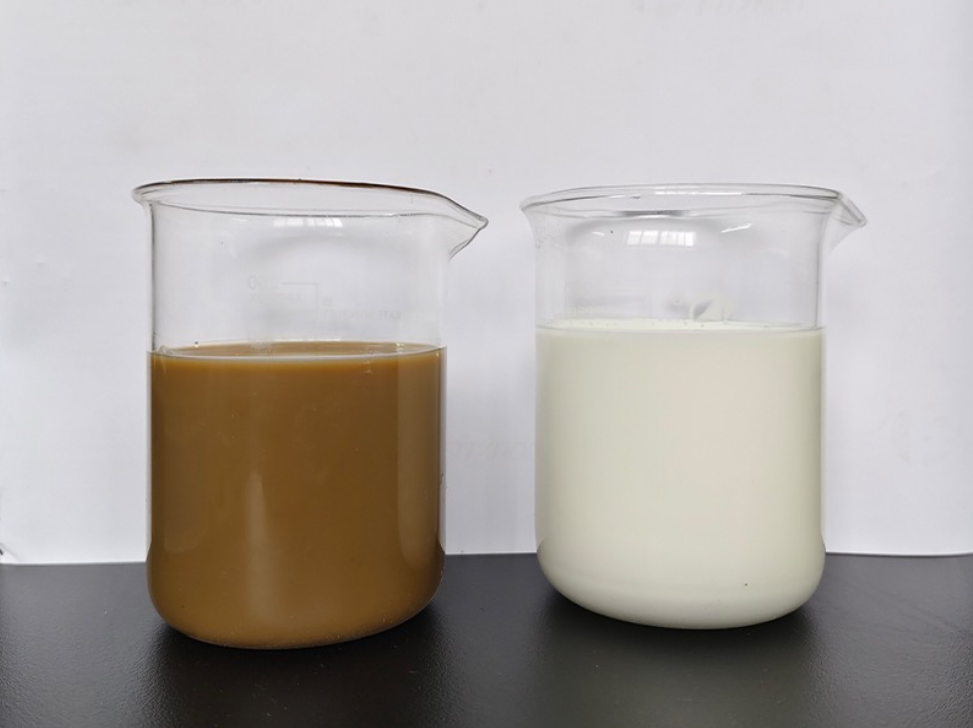

Smoke Suppressant
TC-1020 is a specialized fuel oil additive designed for furnaces, boilers, and electric generators that utilize heavy oil. Its primary function is to disperse sludge, thereby enhancing fuel oil atomization. This results in more efficient combustion. Furthermore, TC-1020 catalyzes secondary combustion, leading to significant fuel savings. Ultimately, this product reduces the ‘Greenman black’ of emitted flue gas, contributing to a cleaner exhaust. TC-1020 is engineered to optimize heavy oil combustion, improving efficiency and reducing emissions.

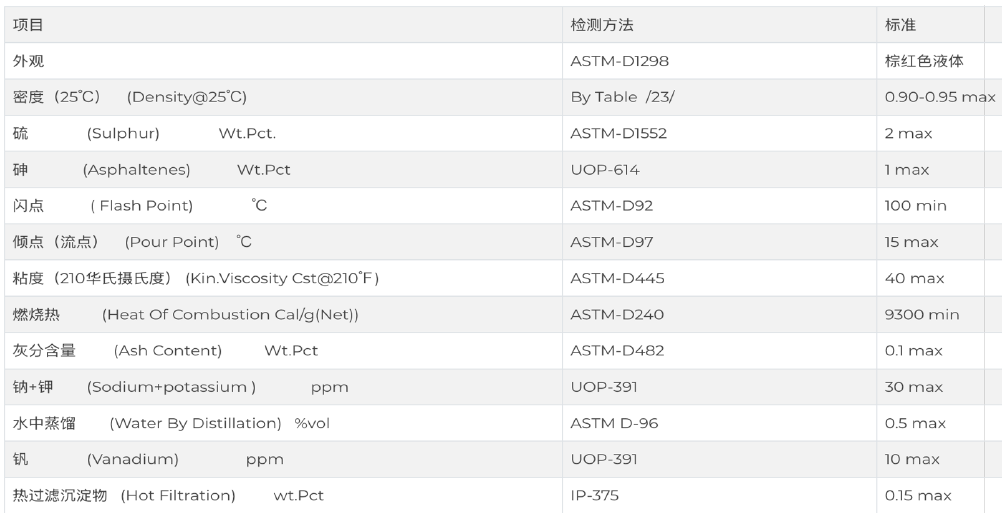
There are vanadium inhibitors, smoke suppressors/combustion promoters, oil sludge dispersants, and viscosity reducers, etc.
There are sulfonate-type, carboxylate-type, hydroxyl-type, and polymerized magnesium-type vanadium inhibitors.
The function of different types of vanadium inhibitors is the same: they all provide MgO at high temperatures, which reacts with the vanadium in the fuel to form high-melting-point composite oxides, thereby preventing the formation of lowmelting-point V2O5, which can corrode turbine blades. Sulfonates have good oil solubility and disperse well in fuel, but their effective content is low and costeffectiveness is poor. Carboxylates have good oil solubility and are easy to disperse in fuel, but their hydrolysis resistance is poor, and their effective content is low, with moderate cost-effectiveness. Hydroxide-based inhibitors mainly consist of magnesium hydroxide, which has poor storage stability but offers higher costeffectiveness. Polymerized magnesium-based inhibitors consist mainly of magnesium oxide, can be made into products with very high effective content, have good storage stability and hydrolysis resistance, making it the highest costeffectiveness compared to other types of vanadium inhibitors.
The key indicators are the content of effective magnesium (Mg), and the content of metal impurities such as K, Na, Ga, Pb, Ni, V, etc. Other factors like viscosity, density, flashpoint, and other safety performance indicators related to addition, storage, and transportation.
To remove water-soluble metal ions from the fuel oil, reducing the corrosion of high-temperature components by low-melting-point metal salts at high temperatures.
There is no substantial difference; oil-soluble demulsifiers have broader applicability, while water-soluble ones have higher cost-effectiveness.
The amount of elements such as S, Si, Ga in the fuel, the Mg/Ga ratio in the additives, the load of the gas turbine, etc.

Call. Email. reach.
Do You Need Our Assistance?
Why Shalom International?

Global Presence
We are proud of our on-the-ground presence in all significant markets and our excellent reputation across the borders in which we operate.

Experience & Expertise
We use our experience and intelligence to secure the greatest deals and relationships worldwide.

Quality Assured
We earn loyalty by providing world-class products and being recognized for quality and assurance.